


SITES
Sites of Internment
On the implementation of internment various locations were used for interrogation and incarceration. You will hear these locations referenced in the Interviewee Stories.
‘Many of these internees have been accustomed to enjoying the luxury of an internment camp, but I think they find that things on board a ship are not quite so pleasant.’
(Stormont Home Affairs Minister Dawson Bates, June 1922)
Reality was that no matter where they were held internees endured terrible conditions.
The Prison Ships 1922 – 1972

Prison Ship
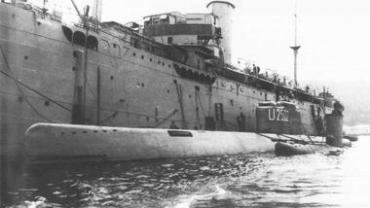
The Argenta
Around 700 Republicans were interned on board from 1923-24.Living below deck in iron-wire cages conditions cramped and unsanitary. They suffered malnourishment and disease. Many developed tuberculosis and other diseases, some becoming terminally ill.
Prison Ship
Al Rawdah
September 1940 until February 1941.Infamous for cramped conditions, poor ventilation and bad diet causing many health problems.Following the death of Jack Gaffney from Belfast on board on November 18th 1940 negative publicity, particularly in the USA, led to the internees being transferred to Derry and Crumlin Road Gaols
Prison Ship
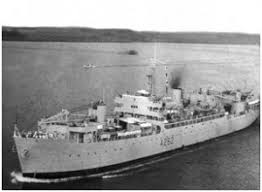
Maidstone
August 1971 – April 1972Just like the previous prison ships it was stuffy, overcrowded and unsanitary.The food often contained hair and glass. There were protests and hunger strikes to highlight the terrible conditions.
Prisons & Internment Camps 1922-1975

Prison Camp
Larne Workhouse
Old, cold and draughty, used to supplement overcrowding on Argenta.

Jail
Derry Gaol
1922 -1924Many warders were also in the newly formed B Specials and were accused of carrying out vicious assaults. 1938 – 1945In the process of being demolished it was cramped and full of dust.On-going assaults by warders led to the famous ‘Derry mutiny’ on Christmas Day 1940.March 1943 – ‘The Great Escape’ - 21 internees escaped through a tunnel.
Jail
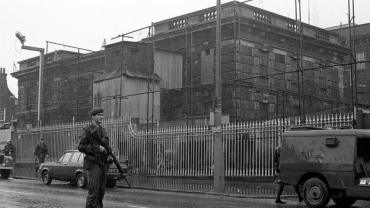
Crumlin Road Gaol
December 1938 -July 1945. Conditions were poor leading to protests and hunger strikes. After release many young men died from ill-health.December 1956 – April 1961Political status had to be fought for again. After an escape tunnel was discovered in March 1958 a group of ‘commandoes’ attacked the internees leaving many injured and hospitalised. August 1969 two dozen republican interned.August 1971 used for internees before being moved to Long Kesh or Maidstone.

JAIL
Armagh Prison
1942 -194518 women were interned in terrible conditions.A hunger strike, bringing one woman to point of death, was ignored by the regime and got little publicity outside.1956 – 1961.One woman interned for 7 months.1973 – 1975.Again, those interned suffered poor conditions and lack of facilities. This time protests did garner support from the nationalist population.

PRISON CAMP
Magilligan
1972Situated on Magilligan Strand.The Atlantic winds made the Nissen huts continuously cold and damp.The camp’s remoteness meant real hardship for visiting relatives
PRISON CAMP
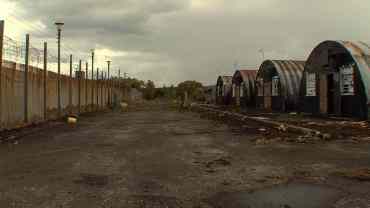
Long Kesh
August 1971 – December 1975The Nissen huts were overcrowded cold and damp. Protests about conditions led to British army raids and brutal assaults. In October 1974 in response to worsening conditions the camp was set alight. A pitched battle with the British army resulted in hundreds being injured and led to claims of CR gas being used, causing early cancerous deaths of many former internees.