


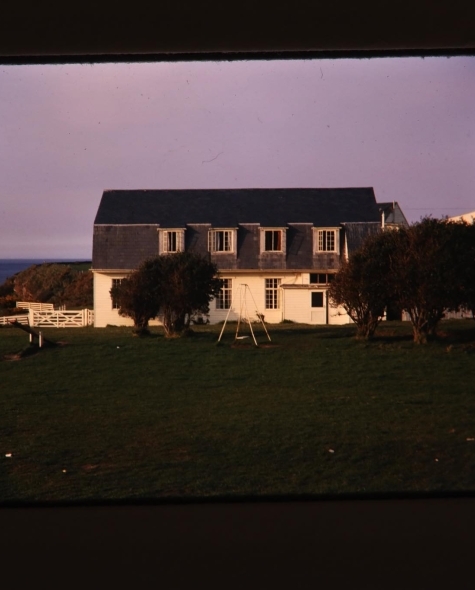
Duncan talks about his family’s close connection with Corrymeela.
He recalls buses with women and children arriving in the days after August 09th.
He talks about how during the conflict Corrymeela provided a space to cope.
His father, a Presbyterian minister, became head of Corrymeela.
Audio Transcript
00:00:00.1 00:03:13.6 Recalling the days immediately after August 09th 1971. Family had close connection with Corrymeela. Corrymeela links with Ballymurphy through volunteers. Buses arriving with women and children. Fear and chaos.
00:03:13.6 00:04:42.0 Family moving to Dublin. Recalls neighbour’s children throwing stones at them. Being Protestants from the North viewed as ‘Brits’.
00:04:42.0 00:06:24.8 Friendships with families displaced to Corrymeela. Caught in situation in Dublin when British Embassy was burnt after Bloody Sunday. Was in Corrymeela on Bloody Friday.
00:06:24.8 00:09:00.4 After internment everything was impacted. Head to head conflict that became the norm for 30 years. Being in Corrymeela family life was lived with people who were directly impacted.
00:09:00.4 00:12:04.7 Legacy of conflict on health. Corrymeela providing a space to help cope. Corrymeela, a mainly middle class Presbyterian centre, had an unambiguous response to the crisis that brought families from republican districts of Belfast to them in need of shelter.
00:12:04.7 00:13:44.3 Similar stories from Catholics and Protestants about moving due to intimidation or sense of intimidation. Being behind walls for protection and not having faces and names. For him internment was a radical shove out of complacency.
00:13:44.3 00:16:58.2 Reflections on consequences of internment. His causal moment, formative view that security comes from building relationships. Possibly still unpicking the consequences of internment today.
00:16:58.2 00:17:36.6 Father became leader of Corrymeela. Being a Presbyterian minister in Dublin helped shaped his approach.