

Barbara Hart, from the USA studied for her PHD in Trinity College. She researched the life of Elizabeht Kennedy, a Probation Officer who suddenly found herself working in the newly opened internment camp

Barbara Hart, from the USA studied for her PHD in Trinity College. She researched the life of Elizabeht Kennedy, a Probation Officer who suddenly found herself working in the newly opened internment camp

Noel tells us about the history of internment within the family going back to his grandfather in the 1920s and his father, uncles and cousin in the 1940s, 1950s/60s.
He describes the impact of the conflict and internment in the Lurgan area.

Norman talks about his time as a young teacher from England who happened arrive as a volunteer in Corrymeela the day after internment was introduced.
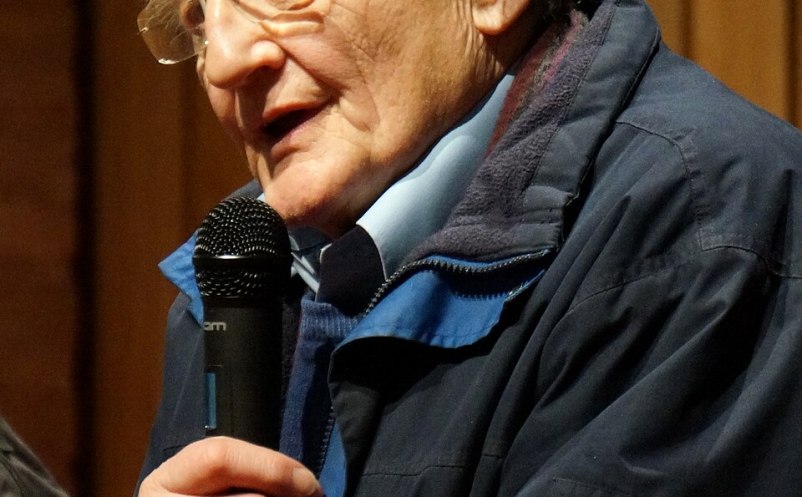
Harold talks about his experience as a Methodist minister on the Shankill Road in the late 1960s to early 1970s.
Recalling the general view in the area when internment was introduced.

Danny tells us how his interest in politics developed during the1960s .He recalls internment morning in August 1971 and the week of British army raids and gunbattles that followed it.
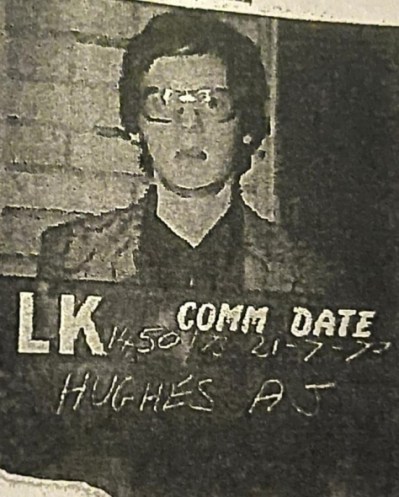
Anthony tells us how he was interned just after turning 17 years old.
He describes the deteriorating conditions in Long Kesh that led to the burning in October 1974.
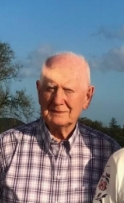
Oliver tells us about life growing up in County Tyrone. His father had been interned in the 1920s and a brother was interned in the 1950s. The family faced harassment, particularly from the B Specials.
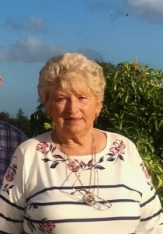
Bernadette describes life growing up in rural Tyrone in the 1950s and 60s.
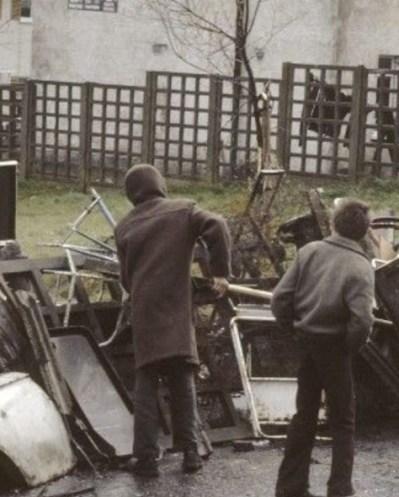
Tommy talks about his memories of internment as a ten-year-old in Ballymurphy on August 09th 1971.
Recalling the deaths of some of those he knew. Then being evacuated down south.

Carol has two recordings where she talks about the experiences of her parents with her father being interned in the 1940s, 1950s and 1970s. .

Seamus recounts his experiences as a ‘schoolboy internee’ when he was interned at just 16 years old.
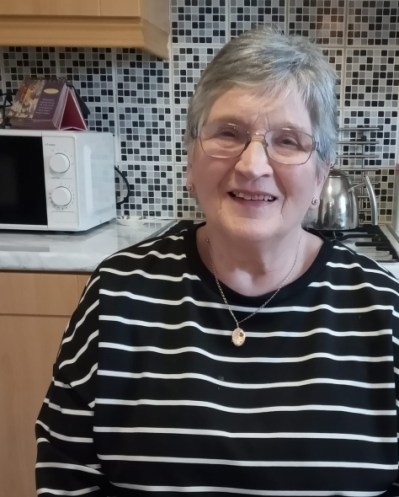
Maura tells about her experience of her husband, Frank, being interned in the 1970s and what impact this had on her and their young family.
She talks about Frank’s experiences after his release.
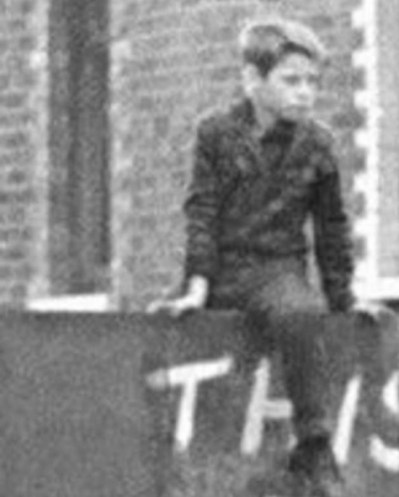
Daithí describes the scenes in the Falls Road area in the late 1960s and the early 1970s.
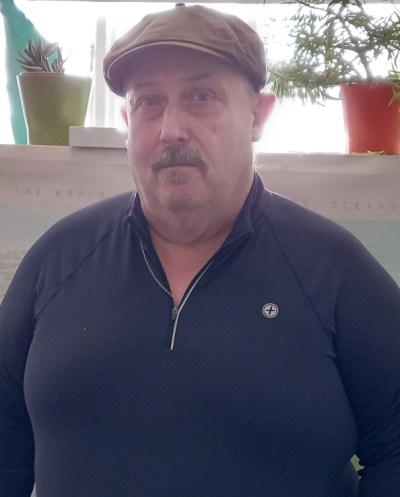
Geard’s father was interned in the 1940s,1950s and 1970s. His brother, Danny was shot dead while his father was interned in Long Kesh. His aunt Bridie was the only woman to be interned in the 1950s.
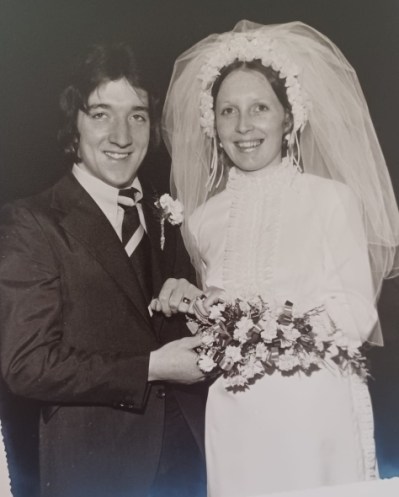
Deirdre and James describe their lives growing up in Belfast, meeting and marrying in 1972.
They talk about how the conflict impacted their lives.

Michael talks about his period of internment. His two brothers, Terry and Kieran were also interned. Kieran had just turned 17.
Kieran was later imprisoned in the H Blocks where he joined the Blanket Protest and later the hunger strike, he died after 71 days.
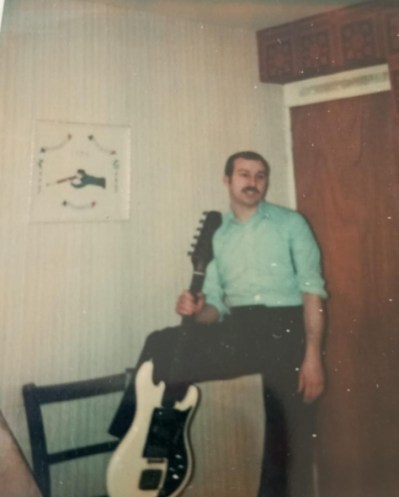
Francis recalls the changing attitudes to the British army after internment was introduced and particularly after Bloody Sunday.

Declan talks about his mother’s family history being steeped in Irish republicanism.
His uncle Joe McElhaw spent time working in England and the USA, where he joined the Marines before returning home in the1960s to run the family pub on Camlough.
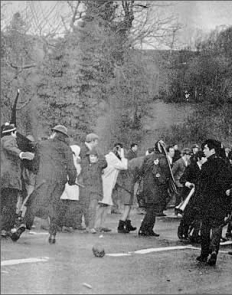
Brendan talks about his memories of the attack on students’ Civil rights march at Burntollet.
He describes being taken out of his home on August 9th 1971 and being interned for 20 months.
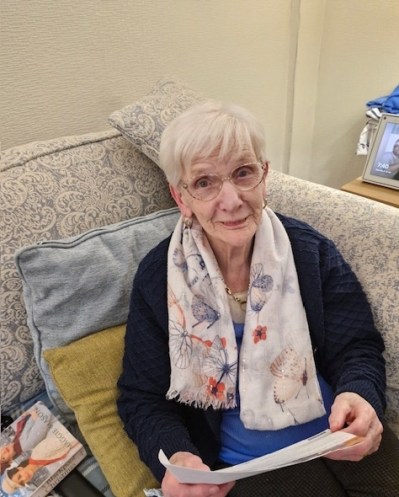
Recalling morning of internment August 09th.
Remembering period in 1969 when they had to flee their home.
Talking about visiting Long Kesh.
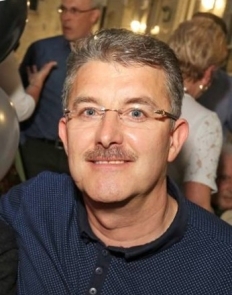
Ciaran recalls the period he, along with many other children, were evacuated to safe surroundings during the early 1970s.
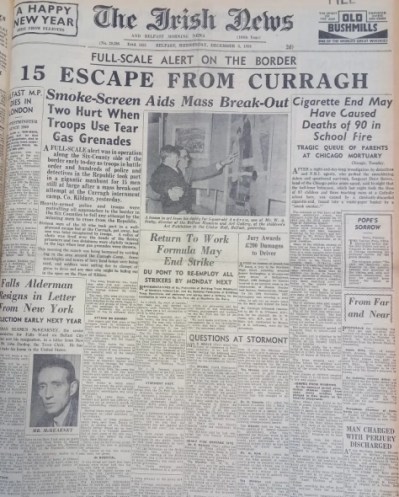
Gerry talks about the period at the beginning of Operation Harvest when he was arrested a number of times.
He decided to leave Lurgan as a number of people, including his brother Joe, had been interned.

Ann talks about her fiancé, Jim Hargey, being one of 24 republicans interned in 1969.
She tells us about their wedding while Jim was in Crumlin Road Prison.

Ann and Margaret talk about their work with families impacted by internment.
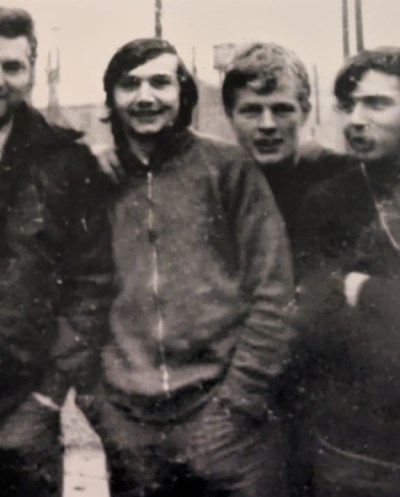
Sean talks about being interned whilst a student and completed first year exams in Long Kesh.
Recalls routine of internment and the brutality of British army raids.
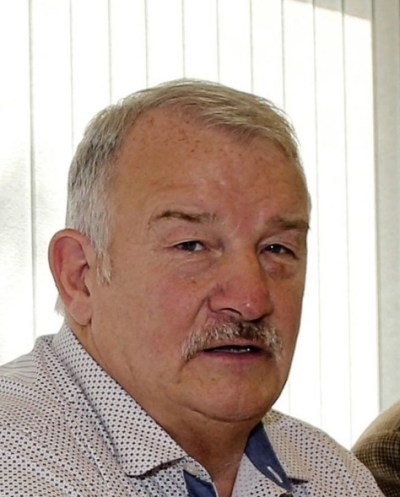
Jim talks about being at one stage the youngest loyalist interned. Describes routine for internees.
Tells us about the impact on his family, his wife was pregnant when he was interned.
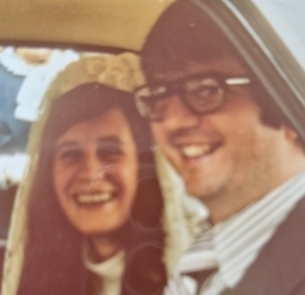
Jenny talks about coming to Belfast as a student from England.
She recalls the morning of August 09th and the events that followed.

Duncan talks about his family’s close connection with Corrymeela.
He recalls buses with women and children arriving in the days after August 09th.
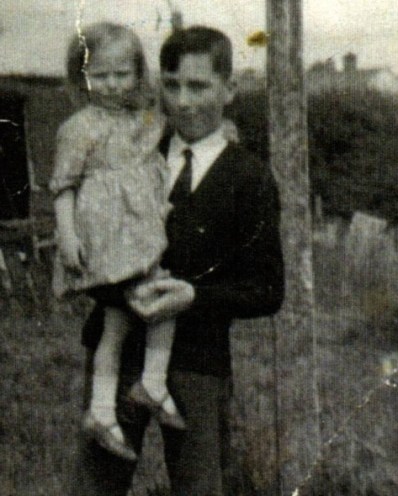
Carmel recalls the morning of internment and being evacuated from Ballymurphy. Seeing her brother, John Laverty, for the last time before he was murdered
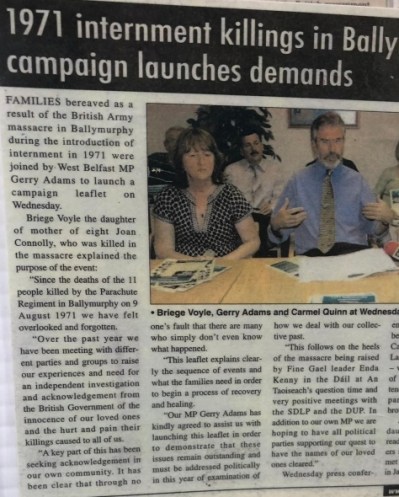
Briege talks about the family moving into Ballymurphy.
She remembers the arrival of the British army and the growing conflict between them and the community.